Yoga Therapy

Certificate Course in Yoga Therapy

🤔 What is in your mind about Course?

  • We’re one of the oldest registered yoga schools with Govt. of India & Yoga Alliance USA, Internationally Certified. Our Training Syllabus follows (YCB Ministry of AYUSH guidelines) 📚

  • ✅ No Age & Prior qualification required

    Anyone can join! Our mission is to empower everyone with knowledge, helping you build a healthier lifestyle, enhance your career, and even create sustainable income sources. 🌈

  • Our course is 100% online with live sessions and recorded content for flexible learning. You can access it anytime, anywhere! Plus, our dedicated support team is available 24/7 to guide you throughout your journey.

  • This is an intensive training program where you’ll gain both theoretical and practical knowledge directly from our expert teachers and mentors. You’ll also discover unique techniques to make your sessions more engaging, effective, and impressive.

  • 🎥 Live Sessions

    🎥 Recorded Sessions

    📚 Notes & PDF Study Materials

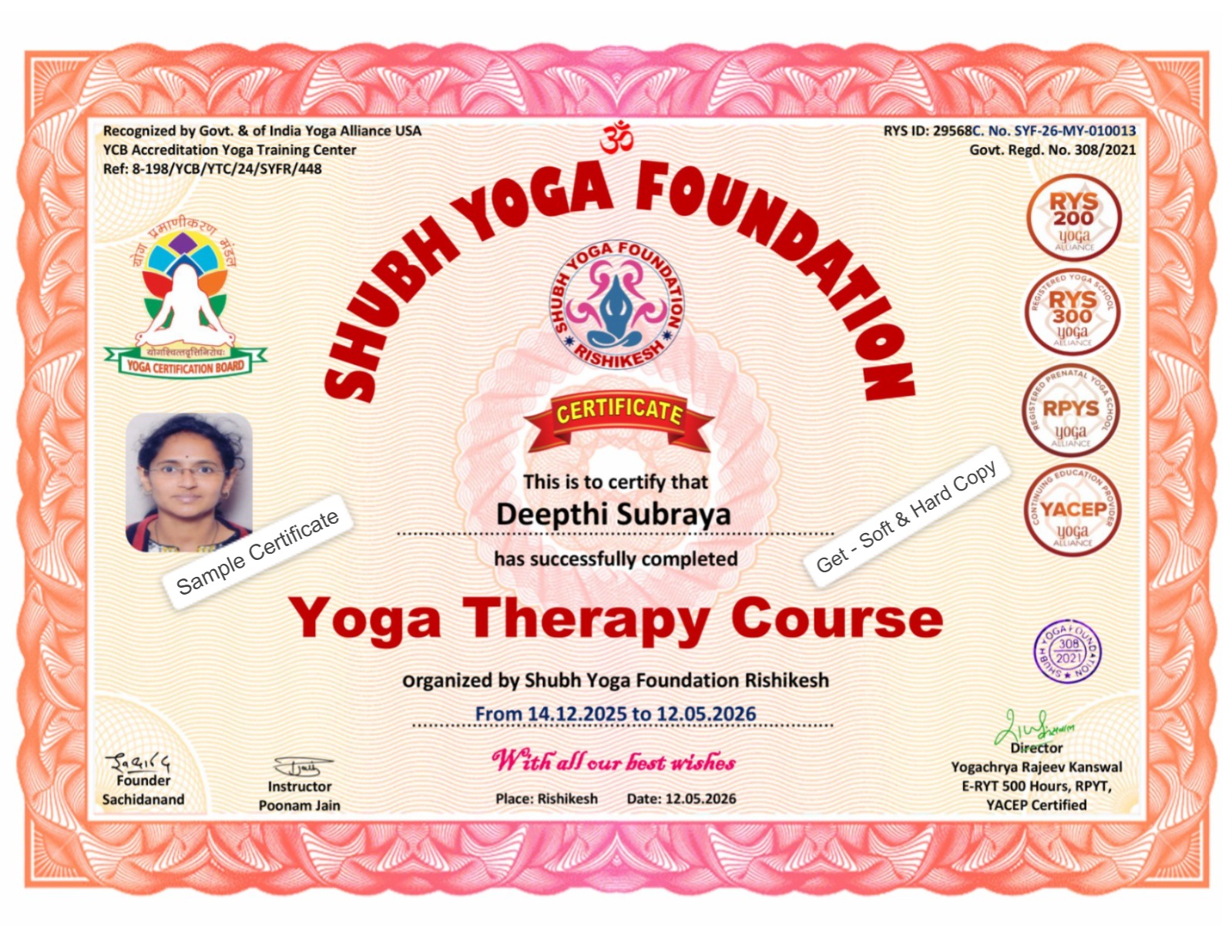
    💌 Soft & Hard Copy Certificate

    ✨ A simple, flexible, and practical way to learn, grow, and get certified!

  • No Stressful Exams! 🙅‍♀️
    ✔️ Practical-focused learning through Live Sessions, Recordings, Notes & PDF Books
    ✔️ At the end of the course, you’ll receive a topic for a written assignment (PDF)
    ✔️ Submit your assignment & receive your Certificate (Soft + Hard Copy) 📚💌

  • Upon completing our course, you'll receive certification that authorizing you can Associated with us & conduct your online/offline classes or workshops, opening up good income opportunities. 💰

  • If you've already taken the course, you're welcome to join us again for revision within 6 months with same language Teacher. Refresh your knowledge and stay updated! 🥳


🧘‍♀️ Yoga Therapy Course 🌸

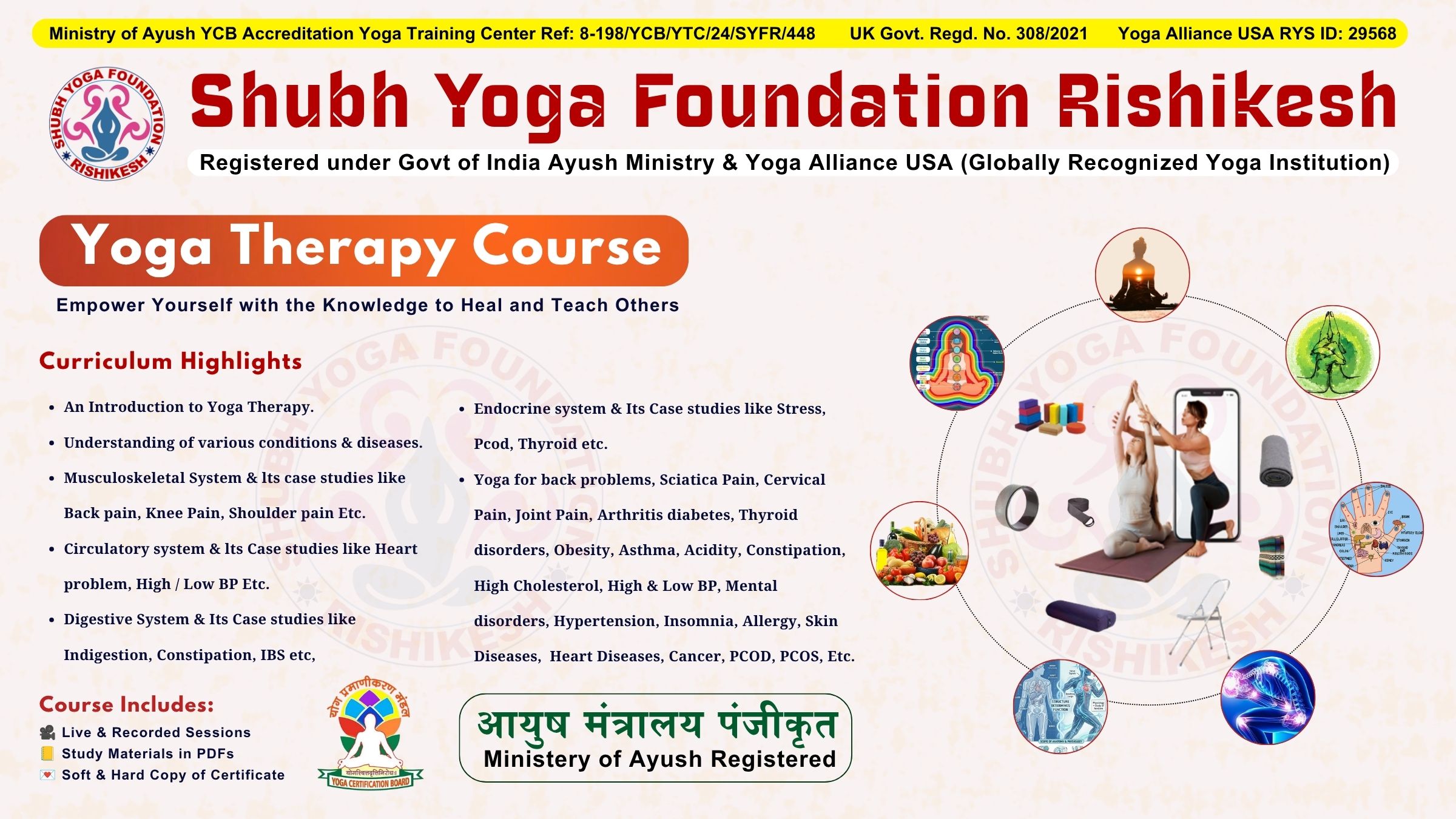
Our Yoga Therapy Course is specially designed for those who wish to explore the healing power of yoga in the management and prevention of various health conditions. Rooted in ancient yogic wisdom and supported by modern science, this program provides practical and therapeutic applications of yoga for 20+ common lifestyle and chronic diseases.

🌿 What is Yoga Therapy? 🧘‍♀️

Yoga Therapy is the scientific application of yogic techniques—including asanas, pranayama, meditation, kriyas, mudras, bandhas, relaxation, and diet—to restore balance and promote healing in the body and mind. Unlike general yoga practice, Yoga Therapy is customized for specific health conditions.

Course Description

Requirement: Stable internet connection

Course Type: Online Live & Recorded Session

Batch Starting Date: Once in 4 Months

Timing: Afternoon or Evening

Language: Hindi & English

Session: 1 Hour Daily Monday to Saturday

Duration: 1 Months

Teacher: Dr. Smita, Therapist Poonam, Acharya Shubhi

Exam: Online Written Assignment Based Only

Additional Resources

 Online Live self-paced course

 Flexible Course if any can join New again

 Downloadable worksheets and templates

 4 modules, each Live, video lessons, PPT notes

 Access to a private online community

 Private community support & accountability

 Live Q & A sessions with the instructor

 Get Weekly PDF & Webinars 

 Live & Recording, PDFs & Certificate

📚 Course Coverage 🩺

You will learn how to manage and support recovery from 20+ diseases and disorders through yoga, such as:

  • 🫁 Respiratory Issues – Asthma, Sinusitis, Bronchitis
  • ❤️ Cardiac & Lifestyle Disorders – Hypertension, High Cholesterol, Obesity
  • 🧠 Mental Health – Anxiety, Depression, Stress, Insomnia
  • 💻 Modern Lifestyle Disorders – Diabetes, Thyroid Disorders, PCOD/PCOS
  • 🦴 Musculoskeletal Conditions – Back Pain, Cervical Spondylosis, Arthritis
  • 🧍 Digestive Disorders – Constipation, Acidity, IBS
  • 🌸 Women’s Health – Menstrual Disorders, Infertility Support, Menopause
  • Other Conditions – Migraine, Headache, Weak Immunity, Fatigue

🔑 Key Highlights

  • Scientific & Holistic Approach: Yogic anatomy & physiology for therapy
  • Asana & Pranayama Therapy: Customized sequences for specific diseases
  • Relaxation & Meditation: Stress reduction and mind-body healing
  • Yoga Lifestyle & Diet: Nutrition guidance for different conditions
  • Therapeutic Teaching Skills: How to guide individuals and groups safely
  • Case Studies & Practical: Learn real-life applications of yoga therapy

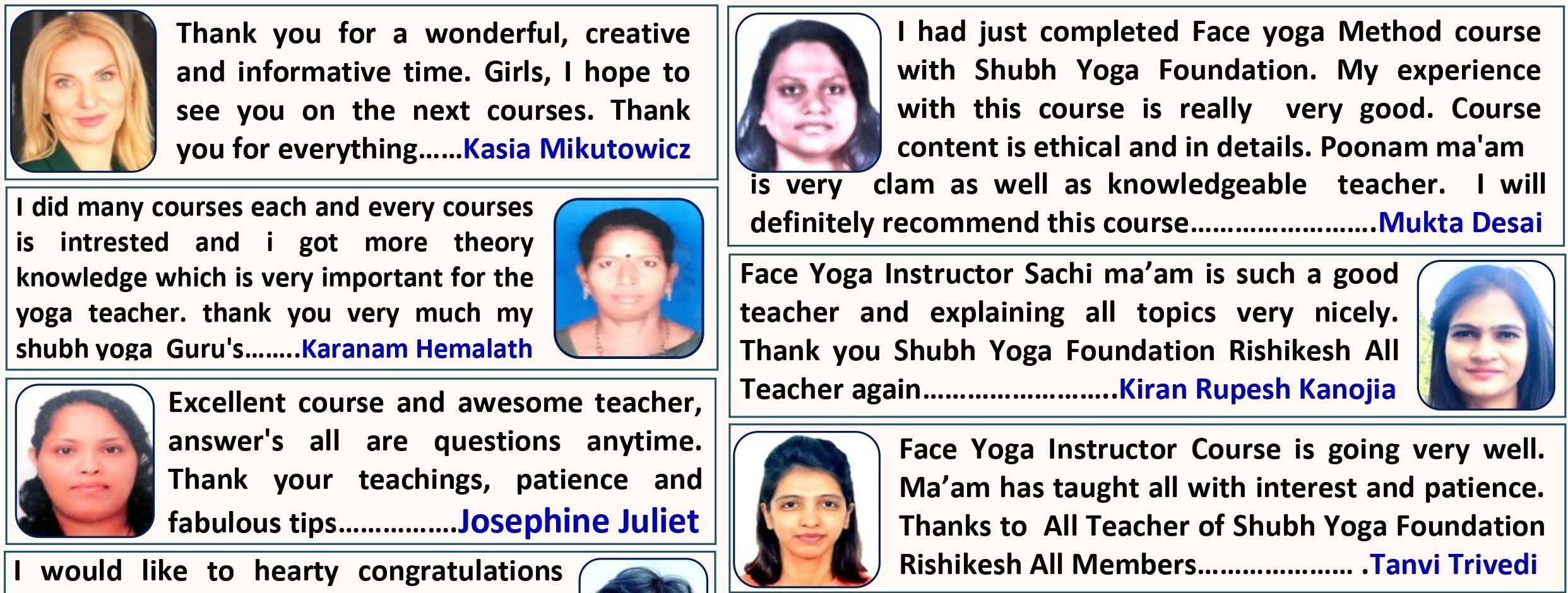
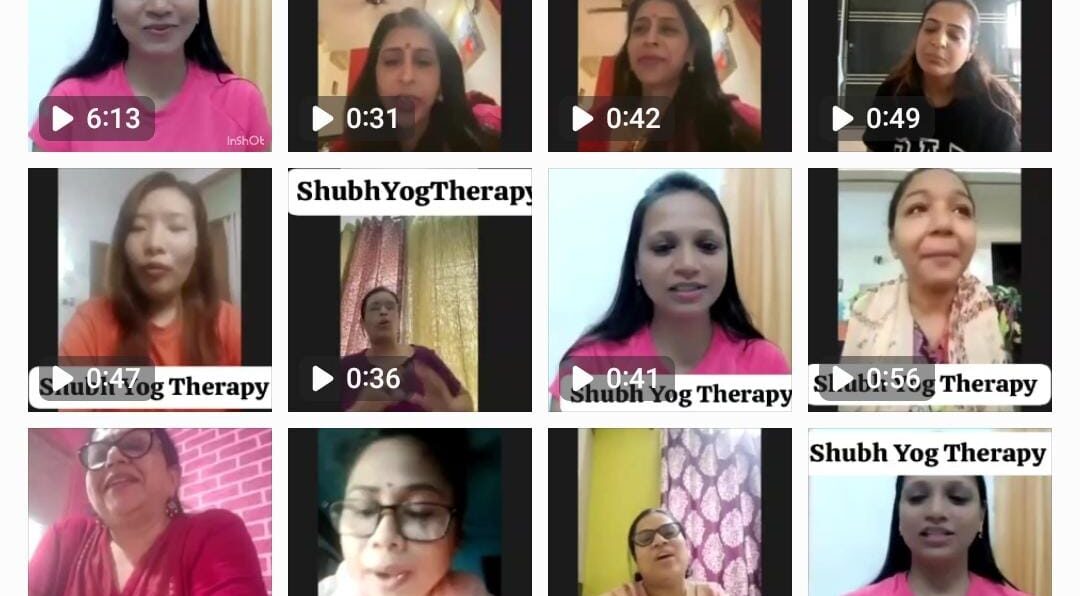
Course Reviews

Smita K, Certified Yoga Instructor

• Master of Computer Application (MCA), MA Yoga, (Ph. D.) in Pregnancy Yoga.

• Founder of Swarna Kamal Yoga Center.

• Certified Yoga Teacher Training from Yoga Alliance (RYT 200).

• Certified Meditation and Pranayama Trainer.

• Certified Yoga Therapist and Nutritionist.

• Certified Pre and Post natal Yoga Instructor from Yoga Alliance.

• Certified Pilates Trainer from Bodhi School of Yoga.

• Simplified Kundalini Yoga (SKY) Assistant Professor.

• Certified Spiritual Healer and Spiritual Counselor.

• Certified in Varmam Bootstrap Program from Varma Kalpa Rejuvenation Center.

• Recipient of four prestigious awards in 2025:

• 50 Top Women Icon Award by Global Triumph Foundation for outstanding contributions to Pregnancy Yoga.

• National Talent Award by Indian NGO Awards Council for promoting Indian Vedic Principles in Pregnancy & Therapy Yoga.

• Most Inspiring Visionary Women Award by Femmetimes as a Yoga Guru.

• Women Icon Award by Women World Records for excellence in the field of Yoga.

• National Yoga Champion (2017).

Key Components of a Therapeutic Yoga Course:

  1. Yoga Philosophy & Principles:

    • Understanding the basis of yoga therapy.
    • The holistic approach to healing — body, mind, and spirit.
  2. Anatomy & Physiology:

    • Learning about the human body, common ailments, and how yoga can aid recovery.
    • Understanding muscles, joints, and nervous system in relation to yoga postures.
  3. Therapeutic Techniques:

    • Customized yoga postures (asanas) for specific health issues like arthritis, back pain, anxiety, etc.
    • Breathing exercises (pranayama) for stress relief and improved lung function.
    • Meditation and relaxation techniques.
  4. Assessment & Adaptation:

    • How to assess a person’s condition and tailor yoga practice accordingly.
    • Use props and modifications to accommodate different abilities.
  5. Teaching Methodology:

    • Guidelines on creating safe and effective therapeutic yoga sessions.
    • Effective communication with clients/patients.
  6. Practical Training:

    • Hands-on practice teaching therapeutic yoga.
    • Case studies and real-life scenarios.
  7. Ethics and Professionalism:

    • Maintaining client confidentiality and understanding the scope of practice.
    • When to refer clients to healthcare professionals.

Who Can Benefit from Therapeutic Yoga?

  • People with chronic pain or illness
  • Those recovering from injury
  • Individuals with mental health issues such as anxiety or depression
  • Older adults needing gentle exercise
  • Anyone seeking holistic health improvement


 1. Types of Yoga:

  • Hatha Yoga: A foundational yoga style known for its physical postures (asanas) and breath control (pranayama). 
  • Restorative Yoga: Focuses on deep relaxation and stress reduction through supported poses. 
  • Prenatal Yoga: Specifically designed for pregnant women, offering gentle poses and breathing techniques. 
  • Vinyasa Yoga: A dynamic style that links breath with movement. 
  • Yin Yoga: A slower-paced practice with longer-held poses, targeting connective tissues. 
  • Kundalini Yoga: Aims to awaken Kundalini energy through a combination of physical postures, breathwork, and meditation. 
  • Ashtanga Yoga: A rigorous, physically demanding practice with a set sequence of poses. 
  • Iyengar Yoga: Emphasizes precise alignment and the use of props.  
2. Therapeutic Applications:
  • Yoga for Anxiety: Addresses anxiety symptoms through various yoga techniques. 
  • Yoga for Depression: Helps manage depressive symptoms and improve mood. 
  • Yoga for Stress Management: Reduces stress and promotes relaxation. 
  • Yoga for Pain Relief: Alleviates chronic pain conditions through specific postures and techniques. 
  • Yoga for Sleep: Improves sleep quality and addresses sleep disorders. 
  • Yoga for PTSD: Offers tools for managing symptoms of post-traumatic stress disorder. 
  • Yoga for Cancer: Can help improve strength, balance, and quality of life in cancer survivors. 
  • Yoga for Heart Health: May help lower blood pressure and improve cardiovascular health. 
3. Body Parts:
  • Yoga for Back Pain: Focuses on strengthening and stretching back muscles.
  • Yoga for Neck Pain: Addresses neck pain and stiffness through specific poses.
  • Yoga for Shoulder Pain: Helps improve range of motion and reduce pain in the shoulder area.
  • Yoga for Hip Pain: Addresses hip pain and stiffness through targeted poses.  
4. Conditions:
  • Anxiety: Yoga therapy can be a helpful tool for managing anxiety symptoms.  
  • Depression: Can be used as a complementary therapy for depression. 
  • Stress: Yoga provides techniques for stress reduction and relaxation. 
  • Chronic Pain: Yoga therapy can help manage chronic pain conditions. 
  • Insomnia: Yoga can improve sleep quality and address insomnia. 
  • ADHD: Yoga may offer benefits for individuals with ADHD, though research is ongoing. 
  • Dementia: May help with activities of daily living for individuals with dementia. 
5. Related Practices:
  • Pranayama: Breathing exercises to regulate breath and reduce stress.
  • Meditation: Cultivates mindfulness and relaxation.
  • Mindfulness: Paying attention to the present moment without judgment.
  • Asanas: Physical postures that promote flexibility, strength, and balance.
  • Guided Imagery: Using visualization techniques to promote relaxation and healing.
  • Sound Baths: Using sound vibrations for relaxation and stress reduction.
  • Yoga Nidra: A deep relaxation technique involving guided meditation. 

Scroll to Top